Showing posts with label Donald Glover. Show all posts

Sunday, March 11, 2012

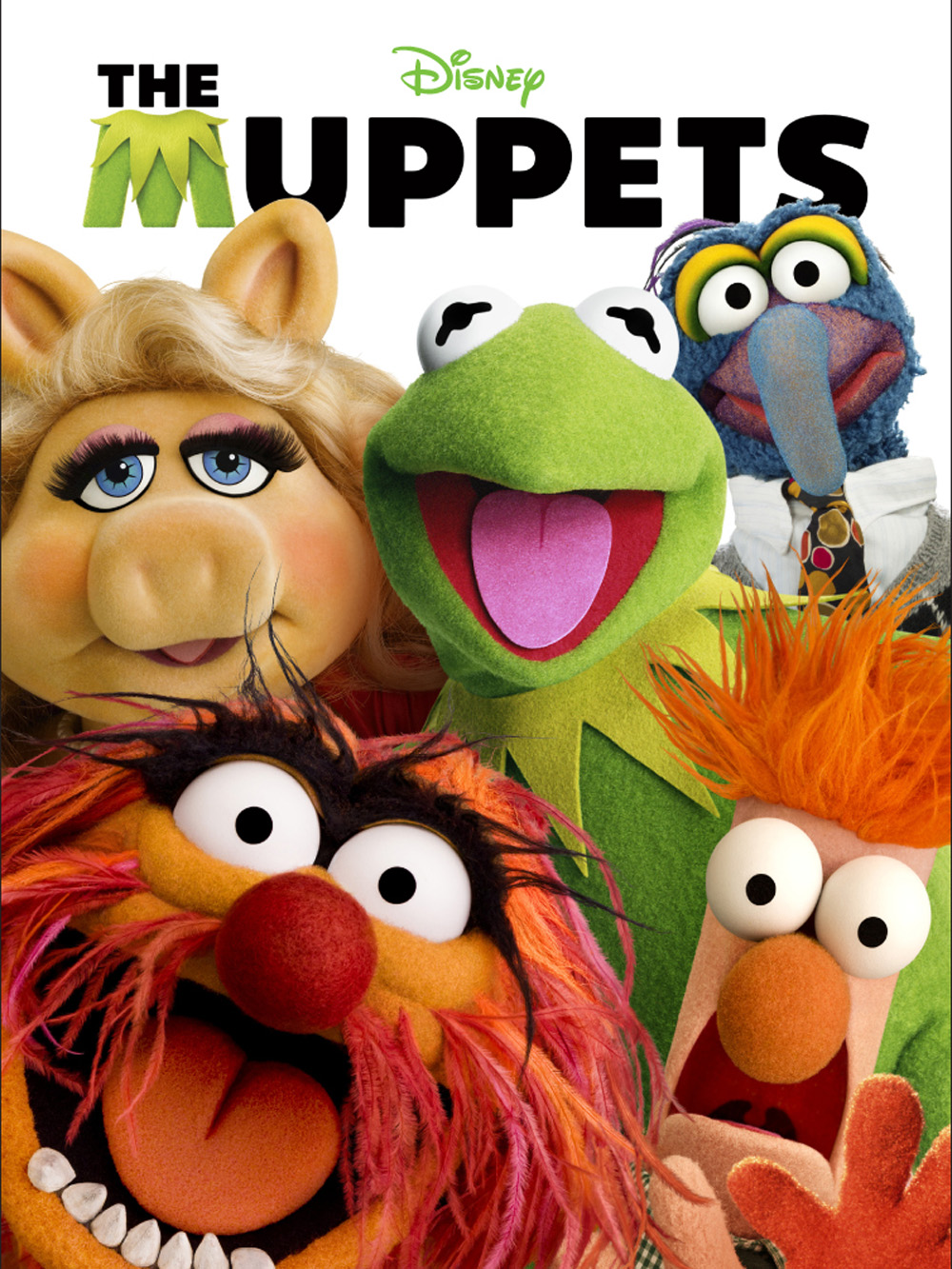
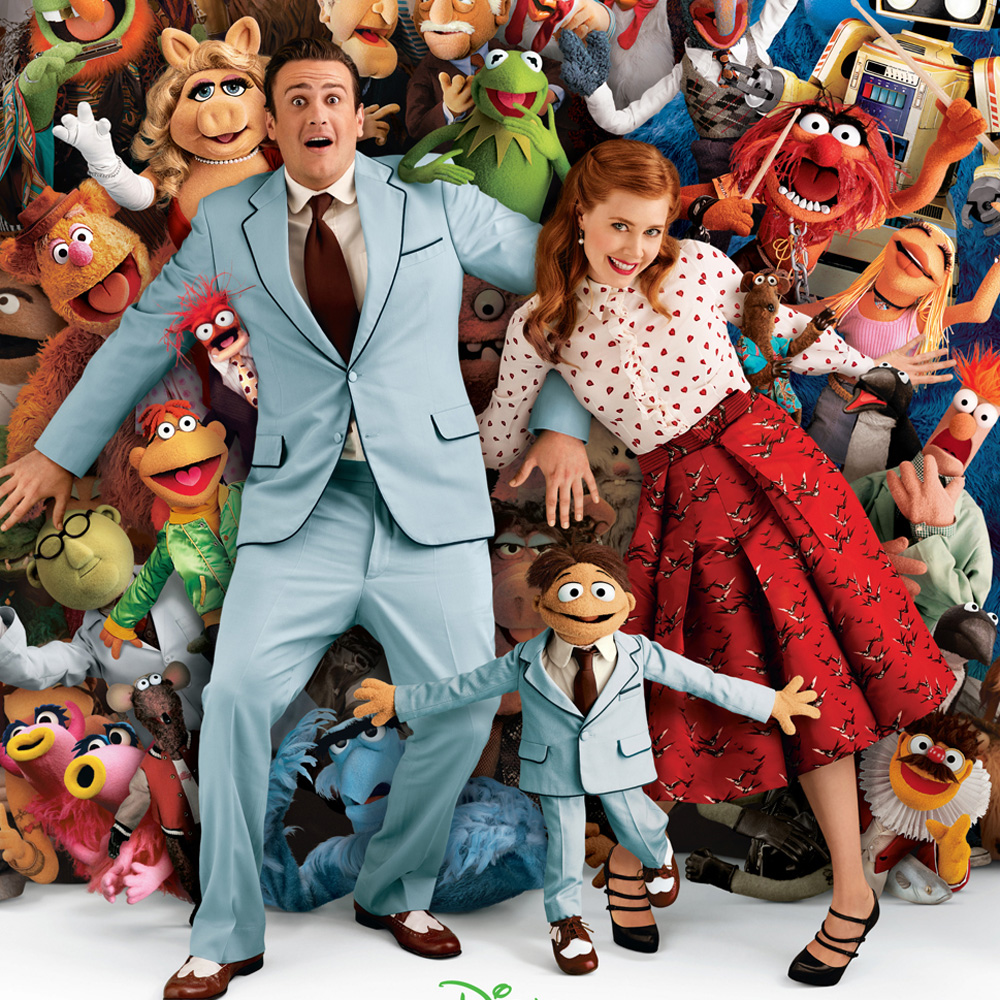
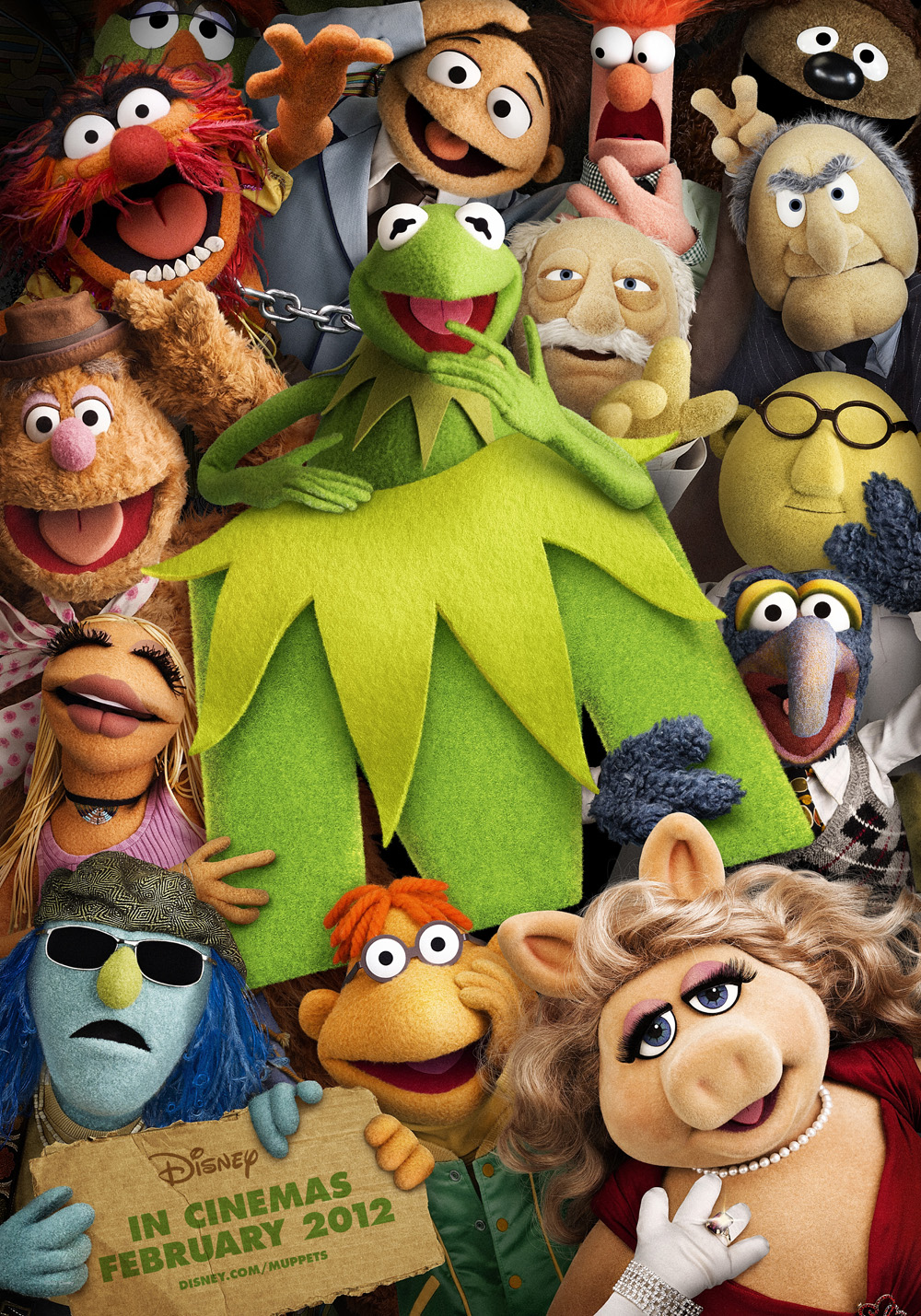
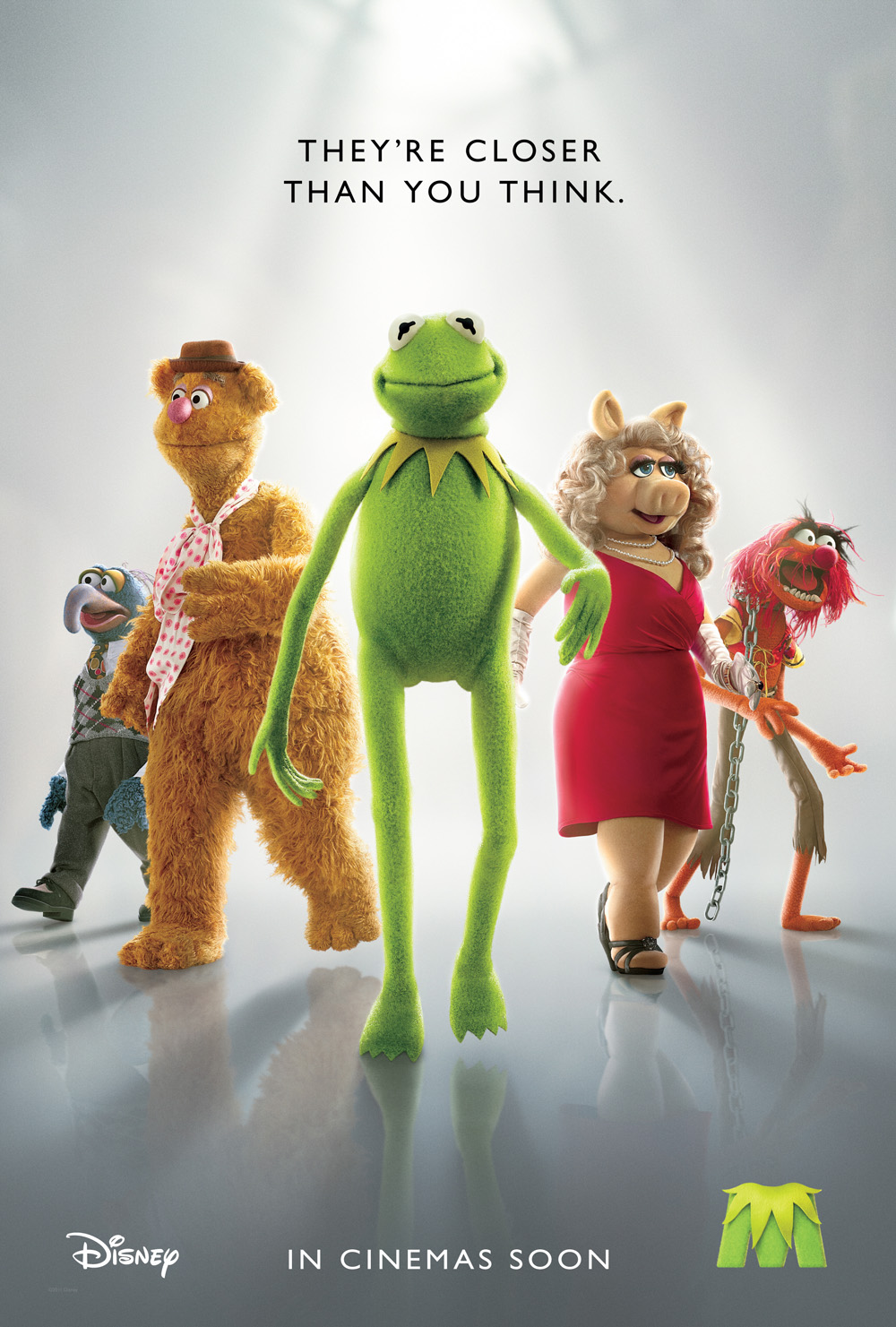
Meet Walter, newest member of “THE MUPPETS” family

Influenced by their affinity for Muppet mayhem, the filmmakers of Disney's “The Muppets” introduces Walter, a central character who’s driven by his lifelong love of the Muppets.

According to lead actor Jason Segel, Walter’s wildest fantasy is to meet the Muppets. “Walter is naive, sweet, innocent, wide-eyed—he’s very much like Kermit before Kermit became famous,” says Segel. “But he just wants to belong. He’s looking for a family, really. The Muppets are the only people he’s ever seen who were like him, so his quest is to become one of the Muppets.”

Adds Walter, who is as big a Muppet fan in real life as his character is, “I start out just wanting to meet the Muppets but then have to help Kermit get the gang back together to save Muppet Studios. It’s the role of my lifetime. In fact, it is my life.”

The movie opens in Smalltown, USA, home to Walter, brother Gary (Segel) and his girlfriend, Mary (Amy Adams). It’s the kind of town where people smile a lot, give apples to teachers and break into song—just because. But the trio leaves the safety of Smalltown behind for a long-awaited trip to Hollywood—and an opportunity to visit Muppet Studios at last.

While there Walter overhears the evil plan of nefarious oil baron Tex Richman (Chris Cooper) and finds himself navigating a long-awaited, never-imagined, can’t-believe-it’s-really-happening-to-me Muppet reunion. It’s not long before the world’s biggest Muppet fan is face to face with the heart of the Muppets—Kermit the Frog. “Kermit is my all-time hero,” says Walter. “I have his poster in my room, I’ve seen everything he has ever done and meeting him was the greatest moment of my life.”

Says Kermit, “Walter gets so excited being around the Muppets. I’ve never met anyone like him…except maybe Jason Segel.”

Segel can certainly relate to Walter’s enthusiasm, but his character, Gary, shows a little too much interest in his brother’s Muppet dreams. His girlfriend Mary has her own California dreams, it turns out, and is secretly hoping for a marriage proposal during their vacation. But she is a team player and willingly jumps on board to help reunite the Muppets and save the studio.

They track down Kermit and learn that he’s lived a quiet life since the Muppets last performed together. It takes some convincing to get the now low-key frog to agree to the plan, but once Kermit realizes just how much he misses his friends, it’s “go” time.

“They embark on a huge journey around the world to find the rest of the Muppets who have gone their separate ways,” says director James Bobin.

Back together at last, the Muppets must put together the best show of their lives—no small feat considering their past efforts. And it’s been years since they last performed—rusty doesn’t begin to describe their acts. Can they break through the obstacles and create a show of a lifetime? Can they convince a network to broadcast the show? Will they raise enough money to silence Tex Richman once and for all—or will he foil their efforts and destroy the studio despite everything?

“Well, see the movie and find out for yourself!” says Miss Piggy. “Moi can’t do everything.”

Opening across the Philippines on March 21, “The Muppets” is distributed by Walt Disney Studios Motion Pictures International through Columbia Pictures.

Wednesday, January 18, 2012

JASON SEGEL, the force behind Disney's “THE MUPPETS”

Comic actor Jason Segel (“I Love You, Man” TV's “How I Met Your Mother”) is the moving force behind the return of Kermit the Frog and the rest of the gang in Walt Disney Pictures' new comedy “The Muppets.” Says producer Todd Lieberman, “Jason was super passionate about the Muppets and a massive fan. He was the spark.”

Segel was so passionate about the project, he not only helped write the script, he wrote a part for himself—a part that required him to sing, dance and act opposite some of the most iconic characters in the world. “In the finale of the movie there are 200 extras, 100 dancers and 50 Muppets,” says Segel. “It was very surreal and it happened to take place on my birthday. I walked out from my trailer thinking I was coming to film, and everyone sang ‘Happy Birthday,’ including the Muppets. I kept thinking, ‘I’ve tricked everyone. Somehow I’ve made this weird childhood dream come true.’ It was the craziest thing ever.”


In the film, Segel plays Gary, the loyal brother of Walter who is probably the world's No. 1 fan of The Muppets. “Gary is from Smalltown, USA,” says Segel who created the role with himself in mind. “He’s very naive, sweet and innocent, and he’s very much in love with his girlfriend, Mary. He’s torn between his brother and growing into a new phase of maturation where it’s time to be with his girlfriend. He’s lived with his brother forever, so that is his big struggle.”

The plot thickens when the Gary, Walter and Mary (Amy Adams) decide to take a vacation. Says Segel, “The movie starts out with me and my brother, Walter, whose wildest fantasy is to meet the Muppets. My goal is to take a vacation to L.A. with my girlfriend, Mary. So we all come to L.A., and while taking a tour of Muppet Studios, which is now decrepit, we find out that they’re going to be torn down to drill for oil. So we have to find Kermit, reunite the Muppets—who have disbanded because of professional rivalries—and put on a show to raise enough money to save the studio.”

Gary throws himself into the effort, putting his relationship with Mary on the back burner—again. Will he ever be able to grow up and embrace true love?

Segel says it’s the Muppets’ sense of humor that differentiates them. “Modern comedy makes jokes at other people’s expense,” says the actor.. “The Muppets never make fun of anybody. They’re all about being good and nice and trying to make the world a better place. It’s easy to get a laugh out of making fun of somebody, but the Muppets never relied on that.”

Jason Segel first gained wide attention for his role in Judd Apatow’s hit comedy “Knocked Up.” He subsequently wrote the screenplay, and starred as Peter, for director Nicholas Stoller’s “Forgetting Sarah Marshall.” He also served as co-producer and received a writing credit on that film’s sequel, “Get Him to the Greek.”

Segel’s other feature-film acting credits include “Bad Teacher,” “Gulliver’s Travels” and “I Love You, Man.” In addition he provided the voice for Vector in the animated hit “Despicable Me.”

On television Segel currently stars as Marshall opposite Alyson Hannigan, Josh Radnor and Neil Patrick Harris, on the hit CBS comedy series “How I Met Your Mother.” He had a recurring role as Eric on the Fox series “Undeclared,” produced by Judd Apatow. He also portrayed Nick Andopolis, a lanky, fun-loving freak dreaming of stardom as a rock-and-roll drummer on Apatow’s Emmy® Award–nominated NBC series “Freaks and Geeks.”

Opening soon across the Philippines, “The Muppets” is distributed by Walt Disney Studios Motion Pictures International through Columbia Pictures.

Monday, December 26, 2011

Fans of Kermit & Gang unite for newest “MUPPETS” screen adventure!

Ranging in age from 8 to 80, Muppet fans span the globe. So it makes sense that Disney’s new comedy adventure “The Muppets” was ignited by a Muppet fan. “It started when I was a kid,” says Jason Segel who stars in the film and serves as one of the writers and producers. “The Muppets were my first comic influence and I was in love with puppetry. I just thought it was an amazing art form.”

“All comedy writers are Muppet fans,” adds co-writer Nicholas Stoller. “It’s the gateway to comedy. It’s like the first thing you try and then you slowly fall down the rabbit hole of comedy.”

A film Segel and Stoller previously collaborated on actually set things in motion, says Segel. “We ended ‘Forgetting Sarah Marshall’ with a lavish puppet musical, and The Jim Henson Company designed the puppets. Something started growing in my belly, and Nick and I came up with this idea and pitched it to Disney. Disney liked the idea so we wrote the script.”

Enter producers David Hoberman and Todd Lieberman—each with their own affinity to all things Muppets. “I think there's always been a timeless quality to the Muppets,” says Hoberman, who cites the Muppets’ recent online smash viral video “Bohemian Rhapsody.” “These characters are as contemporary today as they were when Henson first brought them to life. I think people of all ages will respond to them on the big screen.”

Disney’s “The Muppets” will welcome a whole new generation into the world of the Muppets, and director James Bobin can attest to the positive influence these characters can have on young audiences. “I watched the Muppets at a very early age in England, and they have significantly influenced my sense of humor and what I find funny.”

Segel says it’s the Muppets’ sense of humor that differentiates them. “Modern comedy makes jokes at other people’s expense,” he says. “The Muppets never make fun of anybody. They’re all about being good and nice and trying to make the world a better place. It’s easy to get a laugh out of making fun of somebody, but the Muppets never relied on that.”

Influenced by their affinity for Muppet mayhem, filmmakers introduced Walter, a central character who’s driven by his lifelong love of the Muppets. According to Segel, Walter’s wildest fantasy is to meet the Muppets. “Walter is naive, sweet, innocent, wide-eyed—he’s very much like Kermit before Kermit became famous,” says Segel. “But he just wants to belong. He’s looking for a family, really. The Muppets are the only people he’s ever seen who were like him, so his quest is to become one of the Muppets.”

Adds Walter, who is as big a Muppet fan in real life as his character is, “I start out just wanting to meet the Muppets but then have to help Kermit get the gang back together to save Muppet Studios. It’s the role of my lifetime. In fact, it is my life.”

Says Kermit, “Walter gets so excited being around the Muppets. I’ve never met anyone like him…except maybe Jason Segel.”

Opening soon across the Philippines, “The Muppets” is distributed by Walt Disney Studios Motion Pictures International through Columbia Pictures.

Sneak Peek: “THE MUPPETS”

He’s green. He has crazy friends, flippers, a penchant for pigs…and one of the most recognizable singing voices. And he’s coming to neighborhoods everywhere in 2012!

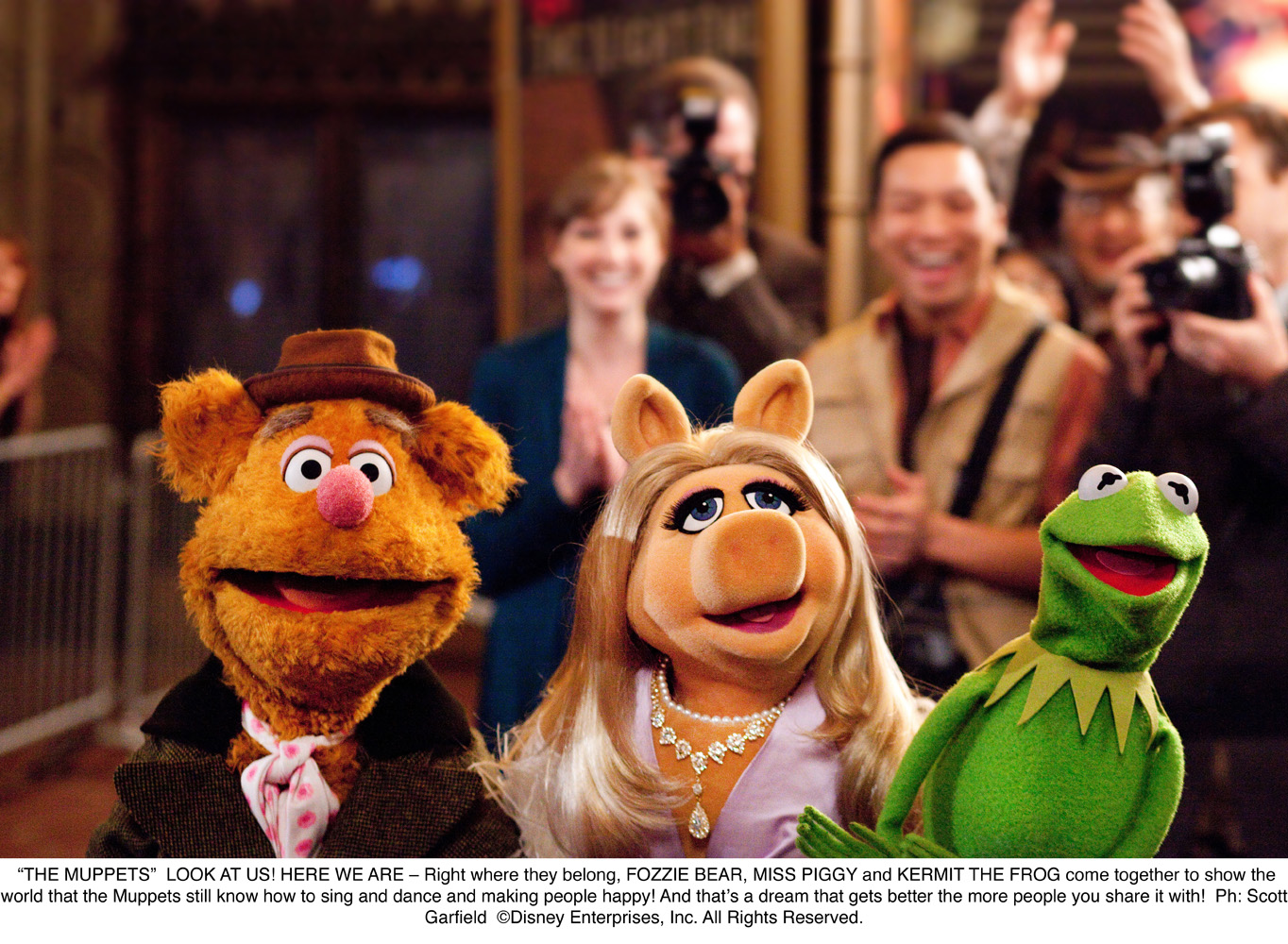
Kermit the Frog is back on the big screen, and this time, he’s teaming up with Jason Segel, Amy Adams, Chris Cooper and newcomer Walter, plus the whole Muppet gang, for a brand-new, big-screen adventure in Disney’s “The Muppets.”

“It’s funny, upbeat and full of laughs for everyone…frogs, pigs, bears…even people,” says Kermit. “For new fans, it’s a chance to see the Muppets in action on the big screen. And for old fans it’s a chance to get together with old friends… and get a little crazy together.”

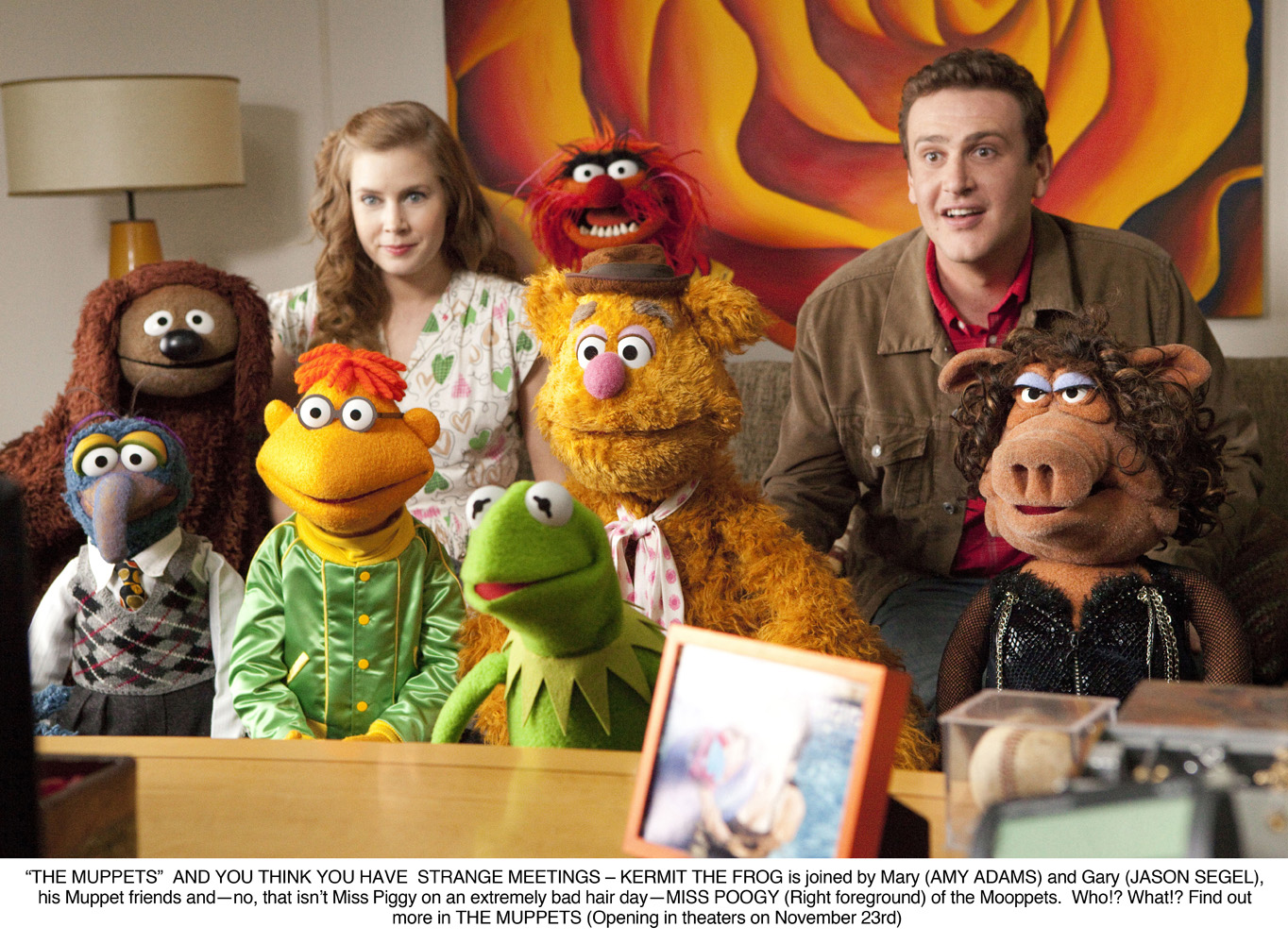
On vacation in Los Angeles, Walter, the world’s biggest Muppet fan, his brother Gary (Segel) and Gary’s girlfriend, Mary (Adams), from Smalltown, USA, discover the nefarious plan of oilman Tex Richman (Cooper) to raze Muppet Studios and drill for the oil recently discovered beneath the Muppets’ former stomping grounds. To stage a telethon and raise the $10 million needed to save the studio, Walter, Mary and Gary help Kermit reunite the Muppets, who have all gone their separate ways: Fozzie now performs with a Reno casino tribute band called the Moopets, Miss Piggy is a plus-size fashion editor at Vogue Paris, Animal is in a Santa Barbara clinic for anger management, and Gonzo is a high-powered plumbing magnate.

Disney’s “The Muppets” is directed by James Bobin (“Flight of the Conchords,” “The Ali G Show”) and produced by the Academy Award®-nominated team David Hoberman and Todd Lieberman (“The Fighter,” “The Proposal”) with a screenplay written by Segel & Nicholas Stoller (“Get Him to the Greek”). Bret McKenzie, who created, co-wrote, executive-produced and starred in the hit HBO television series “Flight of the Conchords,” is the music supervisor as well as the writer/producer of three original songs.

Honoring the Muppet tradition, celebrity cameos include Donald Glover, Leslie Feist, Alan Arkin, Kristen Schaal, Eddie “Piolín” Sotelo, Ken Jeong, James Carville, Rico Rodriguez and Judd Hirsch. “There are more cameos, but I can’t talk about them,” says Kermit. “One of the ways the Muppets get big stars to be in our movies is by promising not to tell anyone about it—besides, it’s more fun when you’re watching the movie and are surprised by who shows up.”

Opening soon across the Philippines, “The Muppets” is distributed by Walt Disney Studios Motion Pictures International through Columbia Pictures.

Saturday, September 10, 2011

Community — Season 2

Community's second season improves so dramatically on the first that it's hard to believe the show was already, pound for pound, the funniest series currently on air. While it lacks the depth and ingenuity of Louie, Community achieves such a rapid-fire rate of jokes that it rises over the current crop of excellent television to be one of the finest shows around. Balancing old-school sitcom narrative style (self-contained episodes of ludicrous adventures) with modern TV storytelling (long arcs of both character and narrative), Community often gets away with having its cake and eating it too. It offers episodes so outlandish that the show often breaks even the loosest connection to reality, yet somehow the show manages to consolidate even something as possibility-shattering as a zombie outbreak into the core story of the study group septet of varying ages and backgrounds that resembles more and more the most touching family on-screen as time goes by.


The previous season ended on an emotional cliffhanger not unlike the second season finale of the American version of The Office.  A confession of love, a physical expression of another kind and various subplots resolved and opened new paths to be explored upon the show's return. From the moment Dan Harmon and his crew get back, they not only follow up on these stories but give unexpected spins on plots headed seemingly in the opposite direction. Where the series got off to a slow start with its first few episodes, the second season wastes no time assessing where it stands, where it needs to go and how it can get there in the strangest, most unorthodox way possible.


Given the alternately episodic and overarching progression of the show, discussion of Community necessarily falls to a focus on standout episodes even as that does not give an adequate overview of the show's more long-term strengths. Besides, it's an invitation to folly, as to talk about every episode of quality would force one to spend some time on each individual entry of this fantastic season, for even its isolated moments of weakness have enough jokes and/or development to make them worth several watches.

But let's talk about some of the finer moments for a sec. After two joke-heavy openers that reestablish this world of madcap humor and poke fun at the existing character relations, "The Psychology of Letting Go" moves away from filling in contextualizing blanks in the characters' stories to truly moving them forward. The death of Pierce's (Chevy Chase) mother prompts change, ironically, in several characters except Pierce, whose piety to a silly cult becomes deeply felt as a coping mechanism as the cynicism of some others sparks internal debates between showing Pierce the painful truth and respecting his means of self-comfort. Capturing the show's ability to turn between emotion and goofiness on a dime is an eerie yet sweet deathbed message recorded by Pierce's mom that ends with a punchline out of left field that turns a choked sob into a barked laugh, and Pierce's own reaction stands perfectly between sadness and comic oblivion.

That small-scale approach is then contrasted with wild genre parodies like "Basic Rocket Science" and "Epidemiology." The former uses a claustrophobic simulator to act out a parody of Apollo 13, while the latter features the aforementioned zombie outbreak at Halloween. In both cases, the writers find clever ways to justify such ridiculous subject matter, not merely as something that could conceivably happen in real life but something that comes about as the direct result of the cheap budget workarounds a failing community college could provide. Ergo, the simulator used in "Basic Rocket Science" is nothing more than an exhibition toy for kids that survived the '80s, inexplicably and hilariously sponsored and programmed by KFC. Such episodes continue the proud tradition of last season's "Modern Warfare" and "Contemporary American Poultry," broad homages that stylistically embody the sort of references that are spoken aloud throughout the series.


No less enticing, however, are the handful of episodes that manage to act out such parodies without going through budget-breaking grandstanding. With the Halloween episode and a two-part return to paintball madness for a finale, Community surely used up a great deal of its allotted money in a few goes, and it finds creative avenues for dealing with other types of film. This often has the added benefit of shifting the focus to character growth to fill the gaps left by bigger stunts. Take "Advanced Dungeons & Dragons," an episode that uses a game of D&D to mock fantasy film but remains firmly within the library study room at all times without anything save good framing and camera movement to give the scenes any kinetic properties. Yet the episode proves not only to bring out some endearing humanity in these sarcastic characters but to develop a side character heretofore used only as a cruel punchline, and the character even enjoys a more prominent (if still tertiary) presence in the remainder of episodes. Likewise, one episode promises to be a full-on parody of Pulp Fiction before it derails almost immediately into a heartfelt dinner conversation between Jeff and Abed slowly revealed to be a parody not of Tarantino but the sort of movie one would never expect to be referenced in a freewheeling pop-culture explosion like Community.


Through it all, we see incremental growth in these people even as they deal with the same struggles that hounded them from the start. Joel McHale continues to sharpen Jeff's prickly warmth by pitting his sarcastic remove against the begrudging realization that the other six are really the only people he has in the world. The writers put Shirley's poison-tinged honey to the test with an unexpected pregnancy that pokes holes in her religious self-righteousness without mockingly pointing out hypocrisy; in the process, we learn more about her as well as the ex-husband whose mythic evil erodes in the face of reality. This nonjudgmental view of Shirley's unwitting contradictions is echoed in her secular foil Britta (Gillian Jacobs), whose feminist and liberal indignation increasingly seem a front for more conservative and harsh views that engender guilt in her. These deeper examinations demonstrate a logical progression, never reinventing characters and using even storytelling clichés like pregnancy to bring about gradual, contextual change.

As such, it's no wonder that the season's brightest light (among stiff competition) is "Cooperative Calligraphy." Though no less self-aware and parodic than the bigger episodes, this self-declared bottle episode uses its constricted setting and commentary on typical television tricks to clarify the shifting dynamics within the group and how those alterations both skew and reaffirm how these characters relate to each other. It even does so by undermining the show's usual tricks for getting out of a hairy emotional situation, knowingly sidestepping what was already feeling stale even as it inserts many of its usual elements such as a Jeff Winger speech, which is inspiring but dovetails off into exasperation and madness to leave the full payoff for later.

I admit I wasn't entirely on-board with everything this season. Pierce's descent into villainy is cartoonish without the tangible emotional payoff that tempers the show's other flights of fancy, and a humanizing touch inserted in the finale seems too small a gesture to combat the vicious unpleasantness Chase (with admitted skill and timing) plumbed in the latter half of the season. Furthermore, a few episodes hedge too closely to preceding half-hours, from an election episode that feels too much like lazy political commentary slapped onto the much-better "Debate 109." Having said that, the two-part finale mines the same basic setup as "Modern Warfare" yet finds a new stylistic inspiration (swapping out action movies for spaghetti Westerns and Star Wars) that makes it no less entertaining.


If Louie uses its episodes to deconstruct life and interpersonal comedy, Community takes the shallower approach of dismantling the funhouse mirror of televisual exaggeration. Nevertheless, its consistency in episode quality and character development make it no less than the third best show on TV after Louie and Breaking Bad. Whether hanging out with Troy and Abed or learning more about the hefty cast of background characters (many of whom openly resent how our leads hog all the attention), Community takes continues to turn what might be detached, self-satisfied hodgepodge of pop culture references into something resolutely sweet, perhaps the best and funniest "hugging and learning" sitcom since The Cosby Show's best days. Now if you'll excuse me, I need to watch a compilation of Donald Glover crying.

Sunday, October 3, 2010

Community — Season 1

Community is the American version of Spaced. The magnificent pop culture explosion from Edgar Wright and co. was recently slated for unauthorized theft artistically viable re-imagining at the hands of McG, but vicious testing killed the pilot before it could infect the airwaves. Community doesn't recycle any characters from the Britcom, nor is the situation that forms the foundation of the situation comedy the same, yet it captures the spirit of Spaced like no other series.


The pilot focuses on Jeff Winger (Joel McHale, who turns the potentially deadly video round-up series The Soup into comedy gold), a star lawyer who is finally caught working without a degree and heads to Greendale Community College to quietly get a degree and get back to winning massive sums by routinely playing on the memory of 9/11 for such cases as DUI arrests. On the first day, he meets Britta (Gillian Jacobs), a late-twentysomething trying to get her life together. In an attempt to seduce her, he passes himself off as a Spanish expert and sets up a study group, only for her to guess his motive and invite several other students. They are: pop culture guru and potential Asperger's sufferer Abed (Danny Pudi), middle-aged divorcée and mom Shirley (Yvette Nicole Brown), bright but insecure Annie (Alison Brie), former high school football star Troy Barnes (Donald Glover) and Pierce (Chevy Chase), a half-crazed moist-towelette tycoon who seems to be here to live out a midlife crisis 20 years past due.

For the first part of the season, Community stays true to its concept, tackling the various stereotypes of a community college. The teachers seem to know barely more than the students, and they're about as imbalanced. Take Señor Chang (Ken Jeong), who routinely berates his students like a drill instructor despite a questionable proficiency with Spanish. Another professor ostensibly teaches accounting, only to throw out textbooks and impress upon students their need to seize the day.

About halfway through, however, the show, which boasts strong, fast writing throughout, evolves. Instead of a well-above-average take on the usual sitcom with usual tropes -- sexual tension between several pairs, goofy two-dimensionality -- it morphs into an absurdist mash-up of deconstructionist comedy and elaborate pop culture references. The Christmas episode plays as an anti-P.C. holiday rant that morphs into an embrace of various cultures that avoids sappiness by bonding characters over a huge fight that plays on the entire career of Anthony Michael Hall (who guests as a nerd-cum-bully who picks fights to outpace a sexuality apparent to everyone but him). Another episode finds the study group seeking easy-A classes, with some landing in a pottery course run by a teacher haunted by Ghost (the film, not the incorporeal beings with business left on this Earth), while others learn to sail...on a boat in the parking lot. They even act as if they're drowning when they fall off onto the pavement.

By the end of the season, episodes serve as full-on homages to other films and shows. The popularity of the cafeteria's chicken fingers launches a scheme that plays out as a farce of GoodFellas, complete with tracking shots and a pitch-perfect narration from Abed. Best of all is "Modern Warfare," easily the single best episode of comic TV since 30 Rock's "Rosemary's Baby." When the hapless dean sets up a campus-wide paintball fight to win priority registration, Greendale devolves into a collision of every action movie under the sun, from Die Hard to Battle Royale to John Woo movies. There's even a fantastic recreation of 28 Days Later's opening. The crash of Community's typical level of dialogue writing and incredible physical comedy is the best condensation of everything that's great about the show, even down to its unlikely sweetness.

With its postmodern metafiction, Community could very well have been smug and overly reliant upon other shows to make up for its own lack of writing (watch Glee and see how it continues to push the songs at the expense of character and even the human logic of sitcom characters). Yet the show, like Spaced, is so literate with pop culture that it knows just the right mixture of references to enhance its own characters, not set them aside. Also, the writers have an ace up their sleeve in Danny Pudi, who generally sets off each reference through Abed. He has such impeccable timing and such a remarkable ability to impersonate the various pop culture items Abed can flawlessly recall that he always gets a laugh. His take on Christian Bale's Batman brought me to tears.

Pudi's not the only terrific cast member. Ultimately, Community succeeds because its cast has the goofy singularity of an old-school sitcom and the effortless chemistry of Office-style comedies that rely on a believably level of interaction. The friendship between Troy and Abed is endlessly rewarding, never playing on the "Isn't it weird that a jock and a nerd could be friends?" angle but simply milking their shared silliness for endless laughs -- Community has easily the best, context-less closes of any show running, most of them playing on some game Abed and Troy play. Meanwhile, Shirley comes off as a close-minded Christian who projects her divorce onto her new "family," and both Brown and the writers know exactly where the line exists to prevent from mocking her beliefs and her issues or from playing on them for hollow sympathy. McHale proves a great straight man for the Abed/Troy variety hour and Annie's peppy inanity, and the openly acknowledged Sam and Diane relationship between him and Britta eventually finds a balance between sexual tension and a sort of bromance between the only two sane people in the group. It takes a united front, after all, just to deal with Pierce, who serves as the best outlet for Chevy Chase's straight-faced non-sequitur as anything he's done in about 20 years.

Occasionally, Community rests on old sitcom clichés without subverting them, but even at its most conventional, it's one of the funniest shows in years. When it goes a step beyond, however, it emerges at the top of the heap, ranking with Modern Family and Parks and Recreation as the next wave of great sitcom programming as The Office and 30 Rock overstay their welcome and shows like Arrested Development rest in the ground. It only gets better as the season continues, growing ever bolder with its pop culture mash-ups and more secure with its characters and pacing. What started as a way to poke fun at community college turned by the end into the perfect mix of old- and new-school comedy, one that follows NBC's strategy of packing a cast with supremely talented up-and-comers (many with writing experience) and inserting an established star in a dry spell (Chase is this show's Baldwin) to rehabilitate his reputation by essentially making a fool of himself every week. There's still room to grow, but that's good; peaking early has been a danger that's plagued NBC's other shows, and a refinement of both the movie parodies and the straight focus on community college could make a great show a classic. Either way, it's still streets ahead of the competition.